
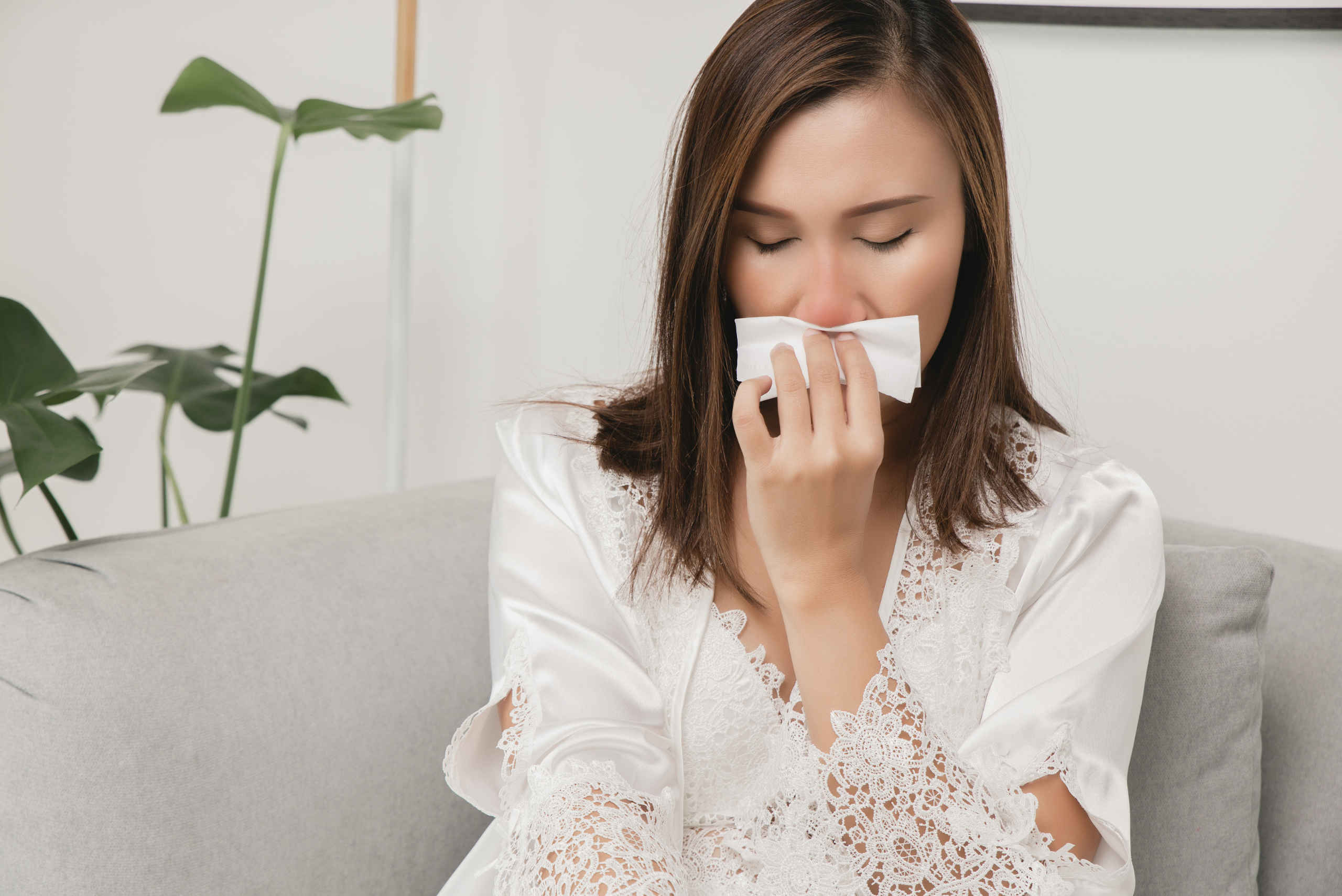
How can you reduce allergens in your home?
Read our Allergy Cleaning Tips to help you, your family members and tenants.
As allergy season takes hold, many of us begin to suffer the tell-tale signs of sneezing, itchy eyes, coughing, and congestion – often assuming the culprit is only outside. But with people now spending an estimated 90% of their time indoors, it’s vital to understand that your home could be harbouring the very allergens that are triggering your symptoms. Here are our allergy cleaning tips!
The Hidden Culprits Indoors
The most common indoor allergens include dust mites, mould, pet dander, and pollen that sneaks in from outdoors. Poor ventilation, rising humidity, soft furnishings, and the presence of pets all create the perfect conditions for these allergens to thrive – especially in the bedroom where we spend a third of our lives.
Let’s explore the main offenders and, more importantly, our allergy cleaning tips:
-
Dust Mites
These microscopic creatures live in soft furnishings such as bedding, carpets, cushions, and curtains. They feed on dead skin cells and are particularly active in warm, humid environments.
- Allergy symptoms: sneezing, runny nose, itchy eyes, and aggravated asthma.
- Dust Mites Allergy Cleaning Tips:
- Wash bedding weekly at 60°C.
- Use dust-mite-proof covers on pillows and mattresses.
- Clean surfaces with a damp cloth to avoid stirring up dust.
- Reduce soft furnishings like excess cushions and rugs where possible.
-
Mould
Mould thrives in damp, poorly ventilated areas such as bathrooms, around windows, behind furniture, or near leaks. It can appear as black, white, yellow, or green spots – and sometimes you may smell its musty odour before you see it.
- Health risks: breathing problems, allergic reactions, and worsened symptoms in those with asthma, COPD, or other lung conditions.
- Mould Allergy Cleaning Tips:
- Control indoor humidity by keeping your home well-aired.
- Use extractor fans in kitchens and bathrooms.
- Avoid drying clothes indoors, which increases moisture levels.
-
Pet Dander
We are a nation of pet lovers, and many of us share our homes with cats or dogs. However, pet dander (tiny flakes of skin), saliva and urine contain proteins that can cause allergic reactions.
- Symptoms: sneezing, itchy eyes, asthma flare-ups.
- Pet Dander Cleaning Tips:
- Keep pets out of bedrooms and off furniture.
- Wash pet bedding regularly.
- Bathe and groom pets frequently.
- Consider hypoallergenic breeds if allergies are a concern.
-
Pollen Indoors
Though it originates outside, pollen can stick to clothes, pets, and bedding, finding its way indoors and making sleep difficult for those with hay fever.
- Pollen Allergy Cleaning / Prevention Tips:
- Keep windows and doors closed during peak pollen times (early morning and evening).
- Change clothes and wash your face after being outdoors.
- Wash bedding weekly to remove settled pollen.
- Vacuum mattresses monthly and consider anti-allergy or hypoallergenic pillows.
- Use an air purifier to trap pollen and other airborne allergens.
Create a Low-Allergen Environment
As well as our allergy cleaning tips, it’s also important to create as low an allergen environment in the home as possible.
Indoor air pollution and allergens affect everyone, but those at higher risk include children, older adults, pregnant people, and those with existing lung conditions. Reducing indoor allergens doesn’t need to be expensive – small, consistent steps make a big difference:
- Declutter to reduce places where dust and pollen can settle.
- Maintain clean filters in air conditioning or heating units.
- Regularly change vacuum bags or clean the container to prevent allergens being re-released.
- Use steam cleaners for a deeper clean of carpets and upholstery.
Cleaning for allergy season is more than just spring cleaning — it’s about creating a healthier, more breathable home. By understanding how to reduce allergens in your home, especially during high-risk times like hay fever season, you can significantly improve your comfort and protect your long-term health. If allergy symptoms persist or worsen, speak to your GP.
At Magnificent Cleaners, we understand how important it is to create a safe, healthy environment at home – especially during allergy season. Our professional Deep Cleaning service is designed to target the hidden areas where allergens build up, including carpets, upholstery, mattresses, and soft furnishings. With a range of tailored cleaning services, we’ll leave your home spotless and breathing easier.
Why not let us do the hard work? This weather is too nice to be cleaning anyway! Book your Allergen Deep Clean today, by clicking here. We’d love to help create a low allergen home environment for you.