
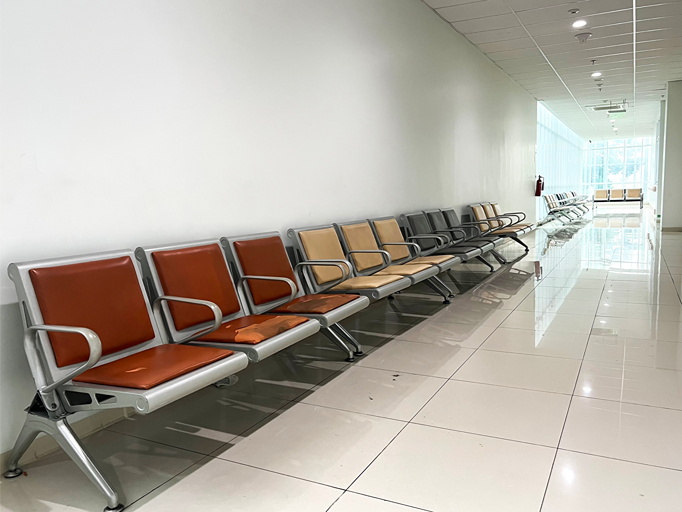
When it comes to cleaning for healthcare facilities, there’s a little more to think about than simply making a room look clean. Healthcare environments are used by patients, residents, visitors and staff every day, so having clear and consistent cleaning routines is incredibly important. From reception areas and waiting rooms to treatment spaces, communal areas and frequently touched surfaces, every part of a healthcare facility needs the right level of attention.
Good cleaning is also an important part of infection prevention and control. UK guidance recommends maintaining clean and appropriate care environments, with clear cleaning responsibilities, routines and frequencies.
Here are some useful tips.
1. Always clean before you disinfect
One of the most important principles of healthcare cleaning is simple: clean first, disinfect second. Disinfecting a visibly dirty surface isn’t a substitute for physically removing dirt, dust and organic matter. Cleaning with the appropriate detergent and water first helps prepare the surface for disinfection.
Once the surface has been cleaned, an appropriate disinfectant can be used according to the product’s instructions, including the required contact time. This clean-then-disinfect approach is also reflected in UK infection prevention and control guidance.
It might sound like a small distinction, but getting the order right is an important part of an effective cleaning routine.
2. Use colour-coded cleaning equipment
Colour coding is a simple way of helping to reduce the risk of cross-contamination.
Cleaning cloths and equipment should be separated according to the areas they’re being used in. A commonly used system includes:
- Red: Toilets and washroom areas
- Blue: General areas
- Green: Kitchens and food preparation areas
- Yellow: Isolation or infection-risk areas
The exact system should always follow the healthcare facility’s own cleaning and infection control procedures. The idea is straightforward: equipment used in one area shouldn’t then be used somewhere else where it could transfer contamination.
Colour coding can make cleaning routines easier to follow and gives cleaning teams a quick visual reminder about which equipment belongs where.
3. Pay extra attention to high-touch surfaces
Some surfaces are touched again and again throughout the day.
Door handles, light switches, handrails, bed rails, call buttons and other frequently touched points can all need particular attention as part of a healthcare cleaning routine. Rather than simply focusing on the largest or most visible surfaces, cleaning teams should make sure these smaller touch points aren’t overlooked.
The frequency of cleaning should be appropriate to the setting, level of contamination and activity taking place. UK guidance specifically recommends focusing on frequently touched surfaces when developing cleaning and disinfection routines.
4. Use a clear cleaning schedule
In a busy healthcare environment, it’s much easier for things to get missed if there isn’t a clear plan.
A good cleaning schedule should make it clear:
- What needs to be cleaned
- How often each area should be cleaned
- Which products should be used
- Who is responsible for each task
- How cleaning standards will be checked
- What happens if additional or urgent cleaning is needed
Different areas will naturally have different requirements. A reception area, staff kitchen, treatment room and patient environment shouldn’t necessarily all be cleaned in exactly the same way or at the same frequency.
UK guidance recommends that healthcare providers have cleaning arrangements that set out the required standards and cleaning frequency for different parts of their premises.
5. Don’t forget communal areas
Healthcare cleaning isn’t just about treatment rooms and patient areas.
Communal spaces can also see plenty of use throughout the day. Waiting rooms, reception areas, corridors, staff rooms, toilets and shared facilities all need to be included in a comprehensive cleaning routine.
These areas can be particularly important because they’re often used by lots of different people. Keeping communal areas clean and well maintained helps create a more comfortable environment for patients, visitors and staff, while also supporting wider infection prevention and control measures.
Why professional cleaning for healthcare facilities matters
Healthcare facilities have a responsibility to provide clean and appropriate environments for the people using their services. Professional cleaning for healthcare facilities can help make sure that cleaning is carried out consistently, with appropriate equipment, products and procedures in place. It’s not about making everything look spotless for the sake of it. It’s about creating a clean, well-maintained environment that supports patients, visitors and staff every day.
At The Magnificent Cleaners, we provide professional commercial cleaning services, including cleaning for healthcare facilities, with cleaning requirements tailored around the needs of your premises. If you’re looking for a reliable cleaning team for a healthcare setting, we’d be happy to discuss your requirements and help you put together a cleaning routine that works for your facility.
Get in touch with The Magnificent Cleaners to find out more about our commercial cleaning services.